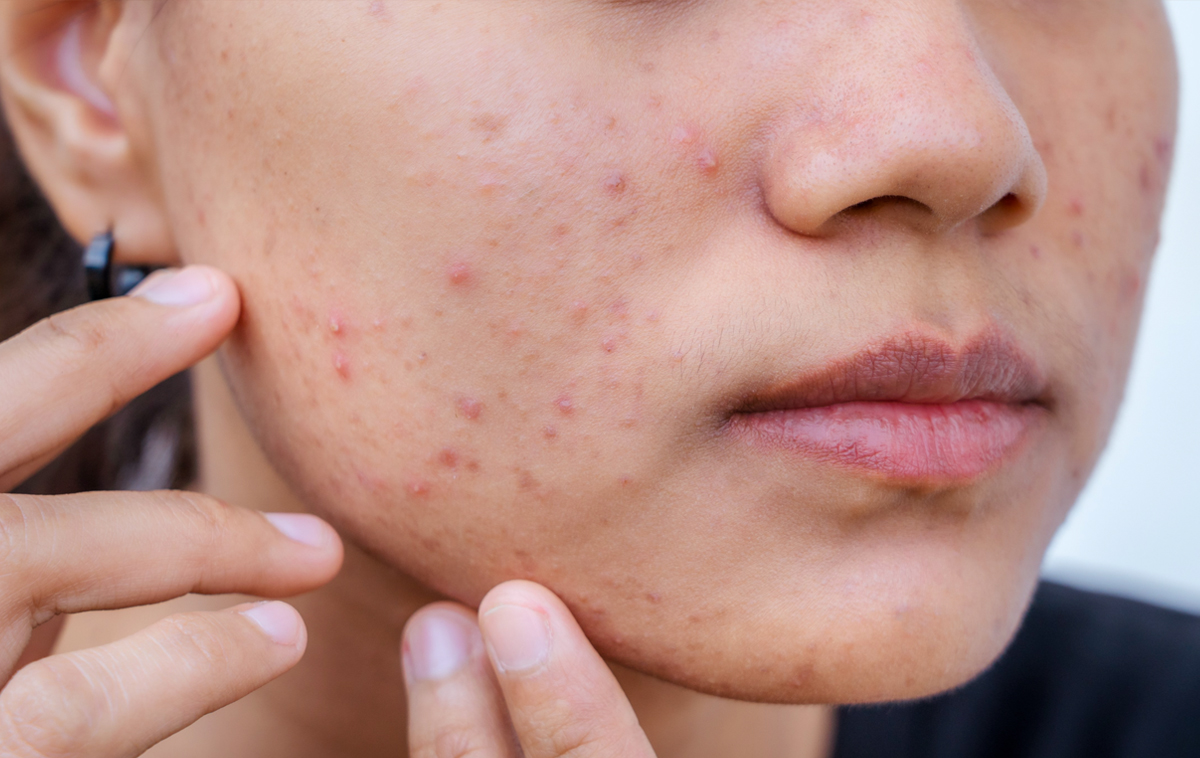
Acne scars can leave a lasting impact on your skin’s texture and your self-confidence, often proving resistant to superficial topical treatments. Among the various dermatological procedures available to address these textural irregularities, subcision stands out as a specialized approach for tackling depressed scars. Seeking Subcision Treatment for Acne Scars in Abu Dhabi offers individuals a way to address the structural causes of these indentations through a focused, clinical approach. By understanding the mechanical process and the biological response it triggers, patients can better manage their expectations regarding the aesthetic improvements that follow.
-
Acne scars often require more than topicals due to deep-seated structural issues.
-
The procedure specifically targets tethered, depressed scar tissue.
-
Understanding the recovery and biological remodeling is essential for managing expectations.
Understanding the Mechanics of Subcision
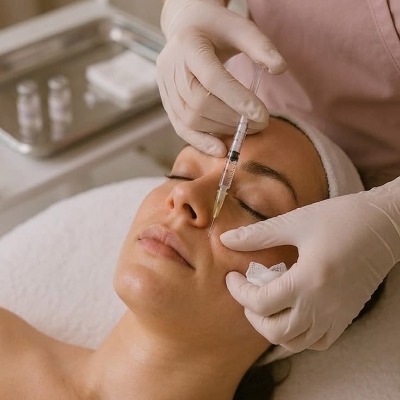
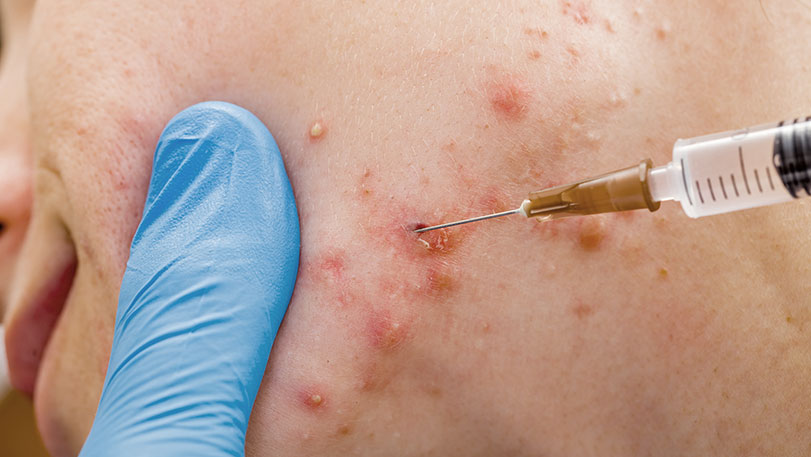
Subcision is a minor surgical procedure designed to treat depressed acne scars, particularly those that are “tethered” or “bound down” to deeper skin layers. The technique involves the use of a specialized needle or cannula, which is inserted beneath the surface of the skin. Once positioned, the instrument is moved in a fanning motion to break up the fibrous bands of scar tissue that are pulling the skin downward.
-
The primary goal is to release the fibrotic strands anchoring the scar.
-
This release allows the skin to lift and level out with the surrounding surface.
-
Mechanical disruption also stimulates the body’s natural wound-healing response.
How Fibrous Bands Create Depressions
Depressed scars, such as rolling or boxcar scars, are often tethered by vertical fibrous bands in the dermis. These bands essentially hold the skin down, preventing it from appearing smooth. No matter how much collagen or filler is applied to the surface, these bands will continue to pull the skin inward. Subcision is effective because it directly cuts these tethers, providing an immediate release of tension.
-
Fibrous bands act like anchors beneath the skin’s surface.
-
These bands prevent the skin from resting at the same level as healthy tissue.
-
Cutting the bands is the only way to release this structural tension effectively.
The Biological Response: Collagen Remodeling
Once the fibrous bands are severed, the body initiates a robust healing process. This process is the secret behind the long-term improvements seen after the procedure. As the body repairs the area where the instrument was passed, it begins to produce new collagen and elastin, which are the fundamental building blocks of firm, smooth skin.
-
The trauma caused by the needle triggers a controlled inflammatory response.
-
New collagen synthesis helps fill the gap created by the released scar.
-
Over time, this collagen remodeling improves both the depth and the texture of the treated area.
The Role of Neocollagenesis
Neocollagenesis is the biological production of new collagen. Following the procedure, the dermis is stimulated to replace the disorganized scar tissue with more organized, healthy dermal fibers. This is not an instantaneous change but a gradual evolution that continues for several months after the session, leading to a smoother skin profile.
-
The body prioritizes repairing the damaged channels created during the procedure.
-
New collagen fills in the previously tethered depressions.
-
The remodeling phase is critical for the final aesthetic outcome.
Evaluating Potential Aesthetic Outcomes
The primary result individuals look for is a noticeable reduction in the depth of depressed scars. Because the procedure releases the tethering, the immediate visual difference can be quite apparent, though the full effect is often visible only after the remodeling phase. Many patients find that their skin texture becomes significantly more uniform and responsive to light, meaning shadows from deep scars are minimized.
-
Visible reduction in scar depth is the most common primary goal.
-
Skin appears smoother as the surface level evens out.
-
Reduced shadows and better light reflection contribute to a more even complexion.
What to Expect Regarding Texture Improvement
While not a magic eraser, the procedure is highly effective for specific types of scarring. Rolling scars, in particular, often show the most dramatic improvement because they are almost exclusively caused by deep tethering. For other types of scars, the results may be more subtle, depending on the degree of dermal atrophy and the overall health of the skin.
-
Rolling scars typically respond best to this treatment method.
-
The degree of improvement varies based on the individual’s skin structure.
-
Texture refinement is often more significant than complete scar eradication.
Factors Influencing the Quality of Results
Several factors determine how successful the outcome will be. These include the age of the scars, the patient’s natural collagen production rate, and the severity of the initial acne damage. Older, more rigid scars may require more work to achieve the desired release compared to newer, more pliable scars.
-
Scar maturity affects how easily the bands can be released.
-
Individual skin health and genetics play a major role in healing.
-
The severity of the initial damage dictates the extent of the necessary remodeling.
The Significance of Sustained Healing
The results of this procedure are cumulative. Because the skin needs time to produce new collagen, the final appearance of the treated area often improves significantly between the three- and six-month mark. Patience is a fundamental component of the process, as the skin is biologically rebuilding itself from the inside out.
-
Results are rarely instantaneous and improve over months.
-
The remodeling period is when the most significant changes occur.
-
Consistency in the recovery phase supports the overall aesthetic outcome.
Integrating Subcision into a Broader Skincare Strategy
While subcision is powerful, it is rarely the only tool needed for total skin rejuvenation. Often, it is combined with other modalities to address different aspects of acne scarring. By tackling depth with subcision and surface texture with other treatments, a more comprehensive transformation can be achieved.
-
Subcision addresses the foundational depth of the scar.
-
Combining treatments can target both the depth and superficial discoloration or texture.
-
A multi-modal approach often provides the most complete results.
Complementary Procedures
Many individuals find that coupling subcision with resurfacing techniques leads to superior outcomes. Resurfacing helps smooth the top layer of the skin, while subcision handles the deep architectural issues. This dual approach ensures that both the “peaks and valleys” of acne scarring are managed effectively.
-
Combining techniques addresses different levels of the skin simultaneously.
-
Resurfacing helps refine the surface appearance post-subcision.
-
Strategic combination therapy improves overall skin tone and texture.
Frequently Asked Questions
1. How long does it take to see results after the procedure?
While some changes may be visible immediately due to the release of the scar, the most significant improvements typically emerge as new collagen forms, usually becoming most apparent between three and six months after the procedure.
2. Can all types of acne scars be treated with this method?
It is primarily indicated for depressed or “tethered” scars, such as rolling scars. It is generally less effective for ice-pick scars or raised (hypertrophic) scars, which require different therapeutic approaches.
3. Are the results from the procedure permanent?
Because the procedure physically breaks the bands causing the depression and encourages the production of new collagen, the improvements are generally considered long-lasting. However, natural aging processes continue to affect the skin over time.
4. How many sessions are usually required to see a significant change?
The number of sessions depends on the severity and depth of the scarring. While some may see improvement after a single session, many individuals require multiple sessions spaced several weeks apart to achieve their desired outcome.
5. Does the treatment work for very old acne scars?
Yes, it can be effective for older, mature scars. However, older scars may be more fibrotic, potentially requiring a more tailored approach to effectively release the tethering compared to newer, more flexible scars.
About The Author