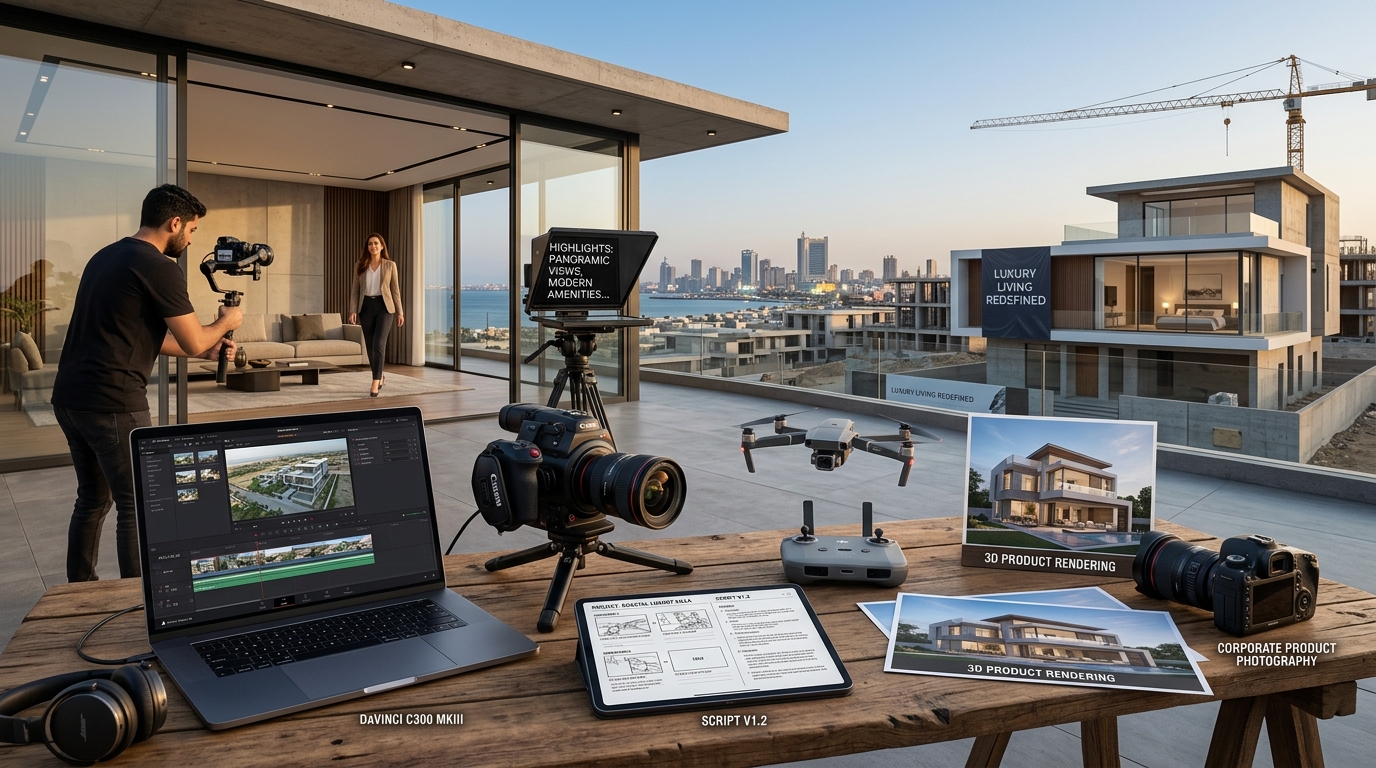
In today’s digital-first world, video has become a cornerstone of modern real estate marketing. Buyers are no longer satisfied with static images and text-heavy listings—they want immersive, engaging experiences that help them visualize a property before ever stepping foot inside. Video content meets this demand by combining visuals, storytelling, and emotion to influence buyer decisions and increase engagement.
With the rise of innovative solutions like AI video production services, creating compelling real estate videos is now more efficient and scalable than ever. These technologies allow marketers to produce high-quality visuals with speed and flexibility, making professional video accessible to a wider audience.
But not all videos are created equal. A “high-converting” real estate video goes beyond aesthetics—it is strategically designed to capture attention, communicate value, and drive action. In this guide, you’ll learn the essential elements, techniques, and technologies that make real estate videos truly effective.
Why Real Estate Videos Matter in Today’s Market
The real estate industry has experienced a significant shift from static imagery to dynamic video content. While photos remain important, videos offer a richer, more engaging experience that allows potential buyers to explore properties in a more realistic way.
Video content significantly increases engagement and retention rates. Viewers are more likely to spend time watching a video than browsing through images, which improves the chances of conversion. Additionally, videos enable agents and developers to tell a story—highlighting not just the property, but the lifestyle it offers.
Digital platforms and social media have further amplified the importance of video. Platforms like Instagram, YouTube, and property portals prioritize video content, making it easier to reach a wider audience. This creates a strong competitive advantage for professionals who invest in high-quality video production.
In a crowded market, standing out is crucial. Real estate videos help build trust, showcase professionalism, and create a memorable impression that drives inquiries and sales.
Pre-Production: Planning for Success
Every successful real estate video starts with thoughtful planning. Pre-production is where the foundation is built, ensuring that the final output aligns with business goals and audience expectations.
The first step is defining your target audience. Are you appealing to buyers, investors, or renters? Understanding your audience helps shape the tone, style, and messaging of the video.
Next, establish clear objectives. Whether your goal is lead generation, brand awareness, or direct conversions, having a defined purpose ensures your video remains focused and effective.
Scriptwriting and storyboarding are essential components of pre-production. A well-crafted script ensures a smooth narrative flow, while storyboards help visualize each scene before filming begins.
Location scouting and staging also play a critical role. A well-prepared property enhances visual appeal and ensures that every shot looks polished and inviting.
Incorporating Corporate Product Photography during this stage can elevate property highlights, especially for detailed interior shots. Additionally, businesses must decide between traditional filming methods and AI video production services, depending on budget, timeline, and creative needs.
Essential Elements of a High-Converting Real Estate Video
a. Compelling Opening
The first few seconds of a video are crucial. A strong opening grabs attention and encourages viewers to keep watching. This can include aerial shots, neighborhood highlights, or a striking visual of the property.
b. Clear Property Narrative
A well-structured narrative guides viewers through the property seamlessly. Start with the exterior, move into interior spaces, and conclude with amenities. Focus on lifestyle benefits rather than just listing features.
c. High-Quality Visuals
Visual quality can make or break a real estate video. Proper lighting, composition, and framing are essential for creating a professional look. Combining product photography in Karachi with video footage can enhance interior visuals, ensuring every detail is captured beautifully.
d. Professional Audio & Voiceover
Audio plays a powerful role in storytelling. Background music sets the mood, while a professional voiceover adds clarity and emotional depth. Together, they create a cohesive and engaging experience.
e. Strong Call-to-Action (CTA)
A high-converting video always includes a clear and compelling CTA. Whether it’s scheduling a visit, making an inquiry, or contacting an agent, the CTA should be direct and strategically placed.
The Role of Advanced Technology in Real Estate Videos
Technology has transformed the way real estate videos are created and consumed. One of the most significant advancements is the rise of AI video production services, which streamline production and enhance creativity.
Drone footage has become a staple in real estate marketing, offering breathtaking aerial views that showcase properties and their surroundings. Similarly, 360° video and virtual tours provide immersive experiences that allow viewers to explore properties interactively.
Another game-changing innovation is 3d Product Rendering. This technology enables developers to visualize under-construction properties with stunning realism. By using Product rendering services, businesses can present designs, layouts, and finishes before the project is completed.
These technologies not only improve visual quality but also enhance buyer confidence by providing a clearer understanding of the property.
Enhancing Visual Appeal with Photography & Rendering
Visual content is at the heart of real estate marketing. High-quality Corporate Product Photography plays a crucial role in building a strong brand identity and showcasing properties effectively.
Using product photography services in Karachi allows businesses to capture detailed and visually appealing images that complement video content. These images can highlight textures, materials, and design elements that might not be fully captured in motion.
Blending real footage with 3d Product Rendering creates a powerful visual experience. This combination allows marketers to present both current and future aspects of a property, making it easier for buyers to visualize the final outcome.
Strong visuals influence buyer perception and build trust. When a property is presented professionally, it creates a sense of credibility and increases the likelihood of conversion.
Editing & Post-Production Techniques
Post-production is where the raw footage is transformed into a polished final product. Effective editing ensures that the video flows smoothly and maintains viewer engagement.
Pacing is crucial—videos should move quickly enough to keep attention but not so fast that viewers miss important details. Transitions should be seamless and enhance the storytelling rather than distract from it.
Color grading adds a professional touch by enhancing tones and creating a consistent visual style. Motion graphics and text overlays can be used to highlight key features and provide additional information.
Optimizing video length is also important. Shorter videos work well for social media, while longer formats may be suitable for websites or presentations.
Incorporating branding elements, such as logos and color schemes, ensures consistency and reinforces brand identity.
Distribution Strategy for Maximum Conversions
Creating a great video is only half the battle—effective distribution is key to maximizing its impact. Real estate videos should be shared across multiple platforms, including social media, websites, and property portals.
Search engine optimization (SEO) plays a vital role in increasing visibility. Using relevant keywords, engaging titles, and attractive thumbnails can significantly improve performance.
Both paid advertising and organic reach have their advantages. Paid campaigns can target specific audiences, while organic content builds long-term engagement.
Analytics and performance tracking are essential for measuring success. By analyzing metrics such as views, engagement, and conversions, businesses can refine their strategies and improve future campaigns.
Common Mistakes to Avoid
Despite the benefits of video marketing, there are common pitfalls that can reduce effectiveness. Poor lighting and shaky footage can make a video look unprofessional and discourage viewers.
Overly long videos may cause viewers to lose interest, while unclear messaging can confuse the audience. Ignoring mobile optimization is another critical mistake, as a large portion of viewers consume content on their phones.
Finally, a weak or missing CTA can result in missed opportunities. Every video should guide viewers toward a specific action.
Future Trends in Real Estate Video Marketing
The future of real estate video marketing is driven by innovation and technology. AI video production services are expected to become even more advanced, enabling faster and more personalized content creation.
Augmented reality (AR) and virtual reality (VR) are also gaining traction, offering immersive experiences that go beyond traditional video. These technologies allow buyers to explore properties in entirely new ways.
The demand for hyper-realistic 3d Product Rendering is increasing, especially for off-plan developments. Automation and personalization will further enhance marketing strategies, making content more relevant to individual buyers.
Conclusion
High-converting real estate videos are the result of a strategic blend of creativity, technology, and planning. From compelling storytelling and high-quality visuals to advanced tools like AI video production services and 3d Product Rendering, every element plays a crucial role in driving results.
Incorporating Corporate Product Photography ensures that properties are presented in the best possible light, while professional editing and distribution maximize reach and impact.
As the digital landscape continues to evolve, investing in professional video production is no longer optional—it’s essential. By staying ahead of trends and focusing on quality, real estate professionals can create powerful videos that captivate audiences and convert leads into loyal clients.
About The Author

Leave a Reply