
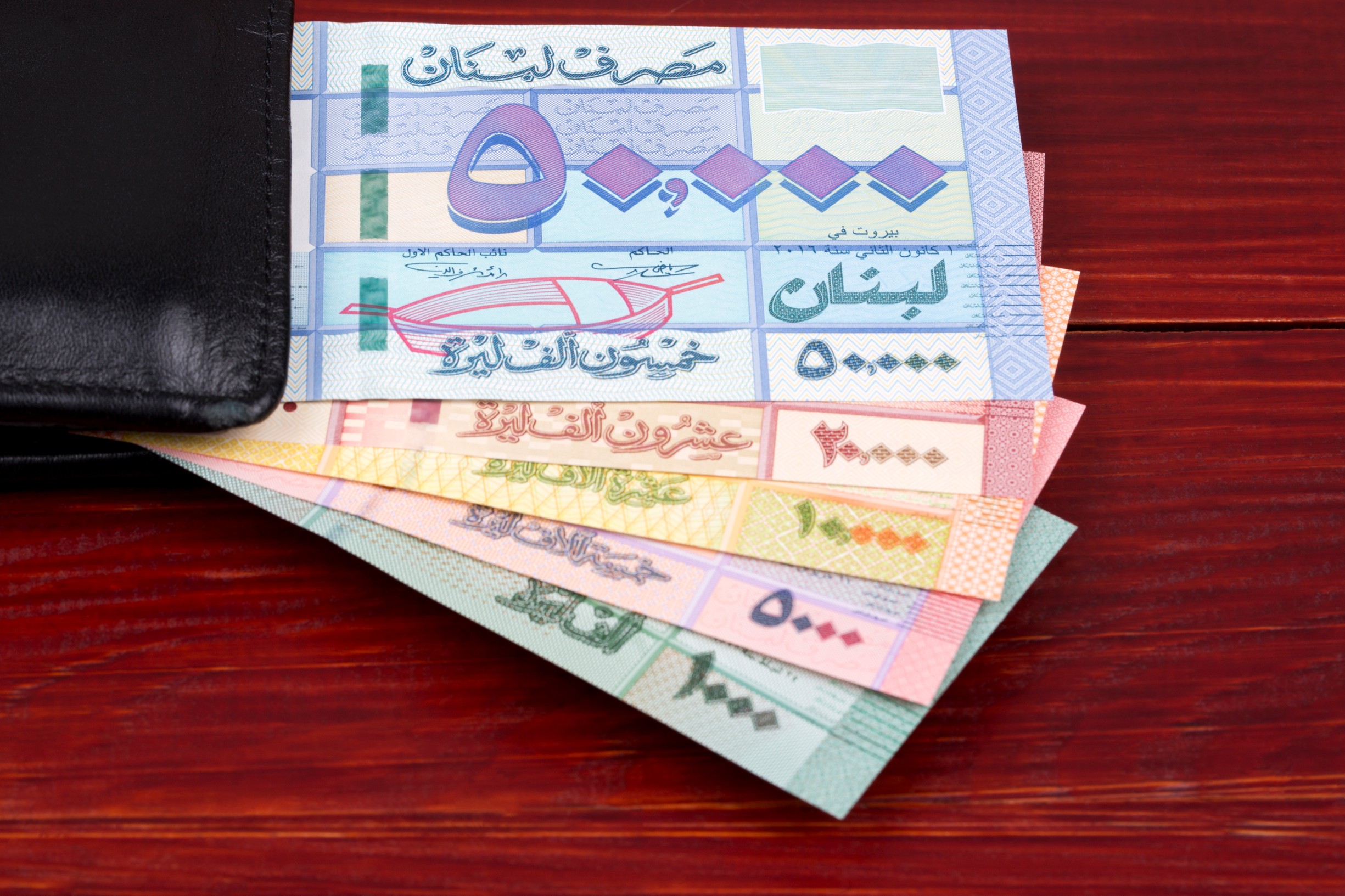
The Saudi Riyal (SAR) has maintained a fixed peg to the US dollar at 3.75 SAR per USD since 1986. This long-standing policy creates one of the most predictable currency environments in the emerging markets. For investors evaluating opportunities in Saudi Arabia, this stability is more than a technical detail—it directly shapes risk levels, return expectations, and strategic choices. Whether you are exploring stocks on the Tadawul exchange, real estate in Riyadh or Jeddah, or direct participation in Vision 2030 giga-projects, understanding the Riyal’s stability helps you make clearer, more confident decisions.
A stable currency removes one major layer of uncertainty that plagues investments in many other economies. When exchange rates swing wildly, projected profits can evaporate overnight. In Saudi Arabia, the peg acts as a reliable anchor, allowing investors to focus on fundamentals like economic growth, sector performance, and policy reforms instead of guessing tomorrow’s exchange rate.
The Mechanics Behind Saudi Riyal Stability
Saudi Arabia’s currency policy is a classic hard peg managed by the Saudi Arabian Monetary Authority (SAMA). Oil exports, priced in USD, generate the bulk of national revenue, so tying the Riyal to the dollar aligns government income and spending naturally. SAMA backs the peg with substantial foreign reserves—enough to cover many months of imports—ensuring the rate stays rock-solid even during oil-price cycles.
This setup delivers several practical advantages:
- Low and predictable inflation: Non-oil private-sector inflation has averaged around 1.4% annually since the peg began, with far less volatility than in earlier decades.
- Stable interest rates: Saudi policy rates closely track US Federal Reserve moves, giving borrowers and lenders a clear cost-of-capital outlook.
- Reduced transaction costs: Businesses and investors avoid constant hedging expenses that eat into returns in floating-rate currencies.
These factors create a calmer environment for both local and foreign capital, which is why the peg has supported steady non-oil private-sector growth averaging over 5% per year in recent decades.
How Riyal Stability Influences Different Investment Types
Equity markets and the Tadawul A stable Riyal makes Saudi-listed companies more attractive because earnings and dividends are easier to forecast in dollar terms. Foreign institutional investors face minimal currency translation risk when converting returns home. This predictability has helped the market draw record foreign participation, especially as Vision 2030 diversifies the economy beyond oil.
Real estate and infrastructure Giga-projects such as NEOM, the Red Sea Project, and Diriyah rely on long-term funding. Riyal stability lets developers and investors lock in costs and revenues without worrying about sudden devaluation or appreciation. For individual or institutional buyers of residential or commercial property, rental yields and capital appreciation become the primary drivers rather than exchange-rate noise.
Direct business investment and FDI Foreign direct investment (FDI) flows benefit enormously from the peg. Companies setting up operations or joint ventures can plan multi-year budgets confidently. The peg signals policy continuity, which is especially valuable in a region sometimes viewed as geopolitically complex. Data consistently show that credible fixed exchange-rate regimes correlate with higher FDI in resource-rich economies like Saudi Arabia.
Bonds, sukuk, and fixed-income Government and corporate debt issued in Riyal carries lower credit-spread volatility because currency risk is negligible. International investors often treat SAR-denominated instruments as near-dollar equivalents, improving liquidity and tightening yields.
Potential Risks and Realistic Scenarios
No policy is risk-free. The peg links Saudi monetary conditions to US interest-rate cycles. When the Fed hikes rates, Saudi borrowing costs rise in tandem, which can slow domestic credit growth and affect leveraged investments. Prolonged low oil prices could pressure fiscal balances, although massive reserves and sovereign wealth fund assets provide a strong buffer.
De-pegging remains a low-probability event. Any shift would require careful communication and would likely be gradual to avoid market shocks. Most analysts view the current arrangement as sustainable for the foreseeable future, especially while oil remains central to exports and reserves stay ample.
Actionable Strategies for Investors
- Match your time horizon to the peg’s strengths Short-term traders may find limited currency-driven opportunities, but long-term investors gain the most from the stability. Focus on sectors aligned with Vision 2030—renewables, tourism, logistics, and technology—where structural growth compounds the currency advantage.
- Diversify while keeping the Riyal edge Hold a core Saudi allocation in local-currency assets for the stability benefit, then layer global equities or other emerging markets for broader diversification. This balanced approach reduces overall portfolio volatility.
- Monitor linked macro signals Track US Fed decisions, oil prices, and SAMA reserve levels. These indicators give early clues about liquidity conditions without needing complex currency forecasting.
- Leverage professional expertise Navigating Saudi-specific regulations, tax rules, and sector opportunities can be complex. Partnering with a professional investment company simplifies the process. An experienced investment company Saudi Arabia can conduct thorough due diligence, structure tax-efficient entry points, and build customized portfolios that capitalize on Riyal stability while managing any residual risks.
Why Partner with an Investment Company for Saudi Opportunities
Working with a reputable investment company adds significant value in this stable yet evolving market. These firms maintain on-the-ground research teams that track policy shifts under Vision 2030 and translate them into actionable insights. They also handle compliance, currency conversion mechanics, and ongoing portfolio rebalancing—tasks that can overwhelm individual investors or smaller funds.
A skilled investment company helps clients avoid common pitfalls, such as over-concentration in oil-linked assets or ignoring liquidity differences across market segments. Many investment companies now offer dedicated Saudi mandates that explicitly factor in the Riyal peg as a core risk-mitigation feature, delivering smoother return profiles compared to unhedged emerging-market exposures elsewhere.
Looking Ahead: Stability as a Competitive Edge
Saudi Arabia continues its ambitious diversification journey. The Riyal’s stability acts as a quiet foundation for these changes, giving investors the confidence to commit capital over decades rather than quarters. As non-oil sectors expand, the currency peg supports a virtuous cycle: predictable financing costs attract more FDI, which accelerates growth and further strengthens economic resilience.
For anyone considering Saudi exposure—whether through public markets, private equity, or direct projects—the message is clear. The Saudi Riyal’s stability is not just a monetary footnote; it is a practical advantage that can improve risk-adjusted returns and simplify decision-making.
If you are evaluating how to position your portfolio for these opportunities, consulting a trusted investment strategies Saudi Arabia is often the smartest first step. Professional guidance ensures you capture the full benefits of currency predictability while aligning investments with your personal goals, risk tolerance, and time horizon.
In a world where currency volatility frequently derails even the best-laid plans, Saudi Arabia’s approach stands out. The Riyal peg has delivered decades of monetary discipline and economic predictability—qualities that serious investors value highly when making long-term capital-allocation decisions. By understanding and acting on this stability, you put yourself in a stronger position to achieve sustainable growth in one of the Middle East’s most dynamic economies.
Read and follow ExploreDubai for more updates.
 qayadatonline