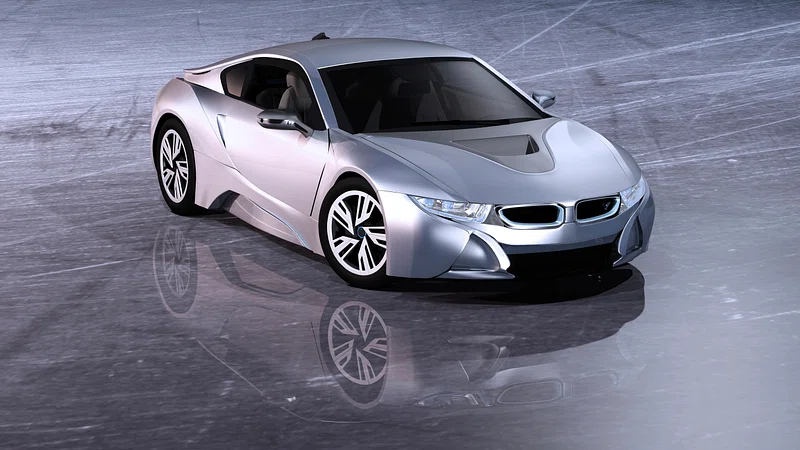
Why 2026 Is a Landmark Year for Cars
It wasn’t that long ago that “going electric” meant choosing between a handful of bland options with mediocre range. That story has completely changed. Today, cars in 2026 are defined by three big shifts: software-defined driving, longer ranges, and faster charging than ever before.
Legacy automakers — like BMW, Toyota, and Volkswagen — have moved beyond simply electrifying old platforms. They’re building cars from the ground up as electric vehicles, complete with new architectures, 800-volt charging systems, and AI-powered dashboards that actually feel futuristic rather than gimmicky.
At the same time, newer brands like Rivian, Lucid, and even a mysterious startup called Slate are pushing hard on affordability. The result? You can now get a capable, well-designed EV for under $45,000 — something that felt impossible just three years ago.
Top 10 Most Exciting Cars in 2026 — A Full Comparison
Below is an at-a-glance comparison of the ten most talked-about vehicles launching this year. This table summarizes starting prices, estimated driving range, powertrain type, and who each car is best suited for.
| Model | Type | Starting Price (USD) | Est. Range | Best For | Category |
|---|---|---|---|---|---|
| Rivian R2 | Electric SUV | ~$45,000 | 300+ miles | Adventure seekers | EV |
| BMW iX3 | Electric SUV | ~$60,000 | 400+ miles | Tech enthusiasts | Luxury |
| Toyota Highlander EV | Electric SUV (3-row) | ~$55,000 | 320 miles | Large families | EV |
| Slate Truck | Electric Pickup | ~$25,000 | 150–240 miles | Budget-conscious buyers | Affordable |
| Mercedes-AMG GT EV | Electric Sports Car | $250,000+ | ~300 miles (WLTP) | Performance fans | Performance |
| Lucid Earth (mid-size SUV) | Electric SUV | ~$48,000 | 400+ miles (est.) | Long-distance drivers | EV |
| VW ID. Tiguan | Electric SUV | ~$45,000 | 280–300 miles | Practical daily drivers | EV |
| Nissan Leaf (Gen 3) | Electric Hatchback | ~$36,000 | 330 miles (WLTP) | City commuters | Affordable |
| Acura RSX EV (0 Series) | Electric Crossover Coupe | TBA | 300+ miles | Style-conscious buyers | EV |
| Ferrari EV | Electric Sports Car | ~$550,000 | TBA | Ultra-luxury collectors | Performance |
Best Affordable Cars in 2026 Under $50,000
A common misconception is that buying an EV means spending a fortune. In 2026, that’s simply not true anymore. Several of the best new cars in 2026 are squarely targeted at the everyday buyer.
The Rivian R2 — Adventure at a Reasonable Price
The Rivian R2 might be the most eagerly anticipated car of the year. Starting at around $45,000, it’s Rivian’s most affordable model to date, sitting below their flagship R1S and R1T lineup. It offers a boxy, rugged design that’s genuinely unique on the road, along with the ability to choose from one, two, or even three electric motors depending on how much power you want.
Rear-wheel drive comes first, with all-wheel drive configurations arriving later in the year. The estimated range of over 300 miles should be enough for most families, and Rivian’s well-regarded charging network adds extra peace of mind. For buyers who want an EV with personality and off-road capability without breaking the bank, the R2 is the obvious choice.
The Slate Truck — Radical Simplicity
Then there’s the Slate Truck — and this one is genuinely different. Starting at around $25,000, it’s arguably one of the most affordable new vehicles of the year. The philosophy is simple: strip out everything you don’t need. No built-in screen, no power windows, no radio as standard. What you get is a clean, modular electric pickup that buyers can customize as they see fit.
Optional add-ons like rear seats, an SUV kit, and premium tech packages exist, but even with extras the total price stays below $30,000. It’s a bold idea, and it’s attracting a lot of attention from practical buyers who simply want a reliable, affordable vehicle that gets the job done.
The Nissan Leaf Gen 3 — A Classic Reimagined
After a decade on the same old platform, the third-generation Nissan Leaf is finally here. The new model rides on the modern CMF-EV architecture — the same tech base as the larger Nissan Ariya. The result? Range jumps to around 330 miles WLTP, nearly double the old version, and the dated CHAdeMO plug is finally gone in favor of modern fast-charging standards.
At a starting price of around $36,000, it sits nicely between the ultra-budget Slate Truck and mid-range competitors. For city drivers and daily commuters who want a compact, reliable, and affordable EV, the Leaf’s comeback is genuinely exciting.
Luxury and Performance Cars in 2026 Worth the Splurge
Not everyone is shopping on a budget, and 2026 has some truly spectacular options at the premium end of the market. If money is less of a concern, some of the most technologically advanced cars ever built are arriving this year.
BMW iX3 — The New Era of Bavarian Electric
BMW’s iX3 is arguably the most technically impressive new EV of 2026. It rides on the brand’s all-new Neue Klasse architecture — BMW’s first purpose-built electric platform — and it shows. The car features 800-volt electrical architecture that enables 400 kW fast charging, meaning you can add roughly 175 miles of range in just 10 minutes. That’s a charging speed that genuinely eliminates range anxiety.
The estimated driving range exceeds 400 miles on a single charge. Inside, a massive 17.9-inch central touchscreen dominates the dashboard, paired with a BMW Panoramic Vision windscreen projector that replaces the traditional instrument cluster with a full-width heads-up display. It’s the kind of technology that makes other cars feel dated by comparison. Pricing is expected around $60,000 to $65,000.
Mercedes-AMG GT EV — 1,000-Plus Horsepower of Pure Drama
If the BMW iX3 is about intelligent technology, the Mercedes-AMG GT EV is about pure spectacle. This tri-motor electric supercar is expected to produce more than 1,340 horsepower, rocket to 62 mph in under 2.5 seconds, and hit a top speed above 223 mph. Those numbers sound almost impossible — yet here we are.
The charging story is equally jaw-dropping. Mercedes claims an average charging rate of 850 kW across a wide range of the charging curve, which means approximately 250 miles of range added in just 5 minutes. Priced above $250,000, this is clearly not for everyday drivers — but as a statement of what electric performance can be, it’s extraordinary.
Ferrari EV — The Prancing Horse Goes Electric
Perhaps no 2026 car announcement has generated more discussion than the Ferrari EV. Expected to arrive in late 2026, this marks the iconic Italian brand’s first ever fully electric production car. Ferrari has confirmed that road-testing of prototypes is already underway. The expected price is around $550,000.
Ferrari has spent years preparing for this moment, including building dedicated battery facilities and applying decades of motorsport engineering to the project. Whatever the final specifications turn out to be, the Ferrari EV is sure to be a landmark moment for the industry — and one of the most talked-about cars in 2026.
Family Cars and SUVs Dominating 2026
Families are often the biggest spenders in the car market, and manufacturers know it. The SUV lineup in 2026 is bigger and better than ever — with options for every family size, budget, and lifestyle.
Toyota Highlander EV — The Practical Choice for Big Families
The all-new fifth-generation Toyota Highlander arrives in late 2026 as a fully electric model — a significant departure for Toyota, whose previous hybrid and gas versions were immensely popular. This version seats six or seven passengers and offers more than 45 cubic feet of cargo space with the third row folded.
Power tops out at 338 horsepower, and Toyota estimates a driving range of up to 320 miles. Standard features include Toyota Safety Sense 4.0, a 14-inch touchscreen, a panoramic glass roof, and heated and ventilated front seats. Starting just under $55,000, it positions itself as a premium but attainable family hauler. Bidirectional V2L charging — meaning you can use the car as a power source at home or camping — is a genuinely useful bonus.
Hyundai Ioniq 9 — Already Winning Awards
The Hyundai Ioniq 9 is already on sale and making waves. As a three-row electric SUV, it brings together Hyundai’s impressive EV engineering, generous interior space, and competitive pricing. The Ioniq 5 was named Best Electric Vehicle of the Year two years running — and the Ioniq 9 is looking to continue that legacy at a larger scale.
The Pros and Cons of Buying a New Car in 2026
With so many incredible options, it’s easy to get swept up in the excitement. But before you make a decision, it’s worth thinking clearly about what’s genuinely great about buying a car in 2026 — and what challenges still exist.
✅ The Real Upsides
- Longer range — most new EVs now offer 300+ miles easily
- Ultra-fast charging: 800V systems add 175 mi in 10 minutes
- More model variety than ever before across all price ranges
- Lower running costs — electricity is cheaper than gasoline
- Advanced safety tech now standard on most new models
- Smoother, quieter, and more responsive driving experience
- Software updates improve features over time automatically
⚠️ Real Challenges to Consider
- Loss of federal EV tax credit in the U.S. (ended Sept. 2025)
- Public charging infrastructure still uneven in rural areas
- Some models still pricey despite growing competition
- New tech means potentially higher repair costs
- Resale values for EVs still uncertain in some segments
- Not all charging speeds are equal — check your model’s max rate
- Long-term battery health still a concern for some buyers
Key Technology Trends Shaping Cars in 2026
Beyond the headlines, a handful of specific technology trends are quietly reshaping the entire automotive experience this year. Understanding these will help you make a smarter purchase decision.
Software-Defined Vehicles
The biggest shift of 2026 isn’t really about hardware — it’s about software. Cars like the BMW iX3 and Honda’s new 0 Series are described as “software-defined vehicles,” meaning their core functionality, safety systems, and even driving behavior can be updated remotely over the air. Think of it like your phone receiving a software update, except it improves your car’s performance, adds new features, and fixes bugs without any trip to a dealership.
800-Volt Architecture
A quiet revolution is happening under the hood. Many top new models in 2026 use 800-volt electrical architecture instead of the older 400-volt standard. The practical benefit? Much faster charging. While older EVs might take 30–45 minutes for a meaningful charge, 800V cars can absorb electricity at 300–400 kW or more, slashing charge times to 10–20 minutes in many cases.
AI Assistants and Smart Interiors
AI-powered voice assistants are becoming genuinely useful inside new cars. Honda’s ASIMO OS, BMW’s intelligent assistant, and Mercedes-Benz’s new AI-driven systems can understand natural speech, learn your preferences, and handle complex multi-step requests. Combined with massive touchscreens — some spanning the full width of the dashboard — these interiors feel more like living rooms than cockpits.
🔋 2026 Charging Speed Benchmark
- Standard Level 2 (Home): ~30–40 miles of range per hour of charging
- DC Fast Charging (150 kW): ~150–180 miles added in 30 minutes
- 800V Fast Charging (350–400 kW): ~175 miles added in 10 minutes
- Mercedes-AMG GT EV (850 kW peak): ~250 miles added in 5 minutes
What’s Happening With Gas-Powered Cars in 2026?
It’s easy to assume that gasoline cars are fading away, but the picture is more nuanced. In 2026, traditional internal combustion engines are still selling in large numbers, especially in markets outside North America and Europe. However, the investment and innovation is clearly moving elsewhere.
Brands like Audi and Porsche are releasing powerful plug-in hybrid versions of popular models — including a new Audi RS6 Avant with a V8 hybrid setup producing north of 700 horsepower. These plug-in hybrids offer a middle ground for buyers who still have reservations about going fully electric.
Meanwhile, fully gas-powered models are seeing fewer redesigns and less investment. The direction of travel is unmistakable. While nobody expects gas cars to disappear in 2026, new model launches are increasingly dominated by EVs and hybrids. The era of the all-electric car as the default new vehicle choice is arriving faster than most people expected.
Who Should Buy a New Car in 2026?
Not everyone is in the same situation, and the right buying decision depends on your lifestyle, budget, and priorities. Here’s a quick guide to help you decide.
Buy in 2026 If You…
Drive more than 30 miles a day and could benefit from lower fuel costs. You have access to home charging — even a standard outlet works for overnight charging. You want the latest safety technology, which is now standard on almost every new 2026 model. You’re interested in software features that improve over time. Or simply: your old car needs replacing and you’d like something that feels genuinely modern.
Wait a Little Longer If You…
Live somewhere with very limited public charging infrastructure. Are on a tight budget and rely on the federal EV tax credit, which ended in the U.S. in September 2025. Are specifically eyeing a model that’s been announced but hasn’t actually gone on sale yet. Or if you primarily do very long highway trips and need the widest possible charging network.
My Personal Takeaway on Cars in 2026
Spending time researching cars in 2026 genuinely surprised me. I expected exciting headlines but assumed the reality would be more ordinary — the usual parade of incremental updates dressed up as revolutions. What I found instead was a market that has, in the span of just a few years, transformed itself almost completely.
The Rivian R2 feels like a tipping point for affordable EVs. The BMW iX3 feels like proof that a truly great electric car — one that’s comfortable, practical, and exciting to drive — is finally here at scale. And the Mercedes-AMG GT EV, regardless of its stratospheric price, tells you everything about where the engineering ceiling has moved.
Is 2026 the perfect time to buy? Honestly, for most people — yes. The variety is there, the range is there, and the charging infrastructure, while imperfect, is better than it has ever been. My advice: do your research, test drive before you commit, and don’t be afraid to go electric. The future has arrived, and it’s driving itself.
About The Author

Leave a Reply