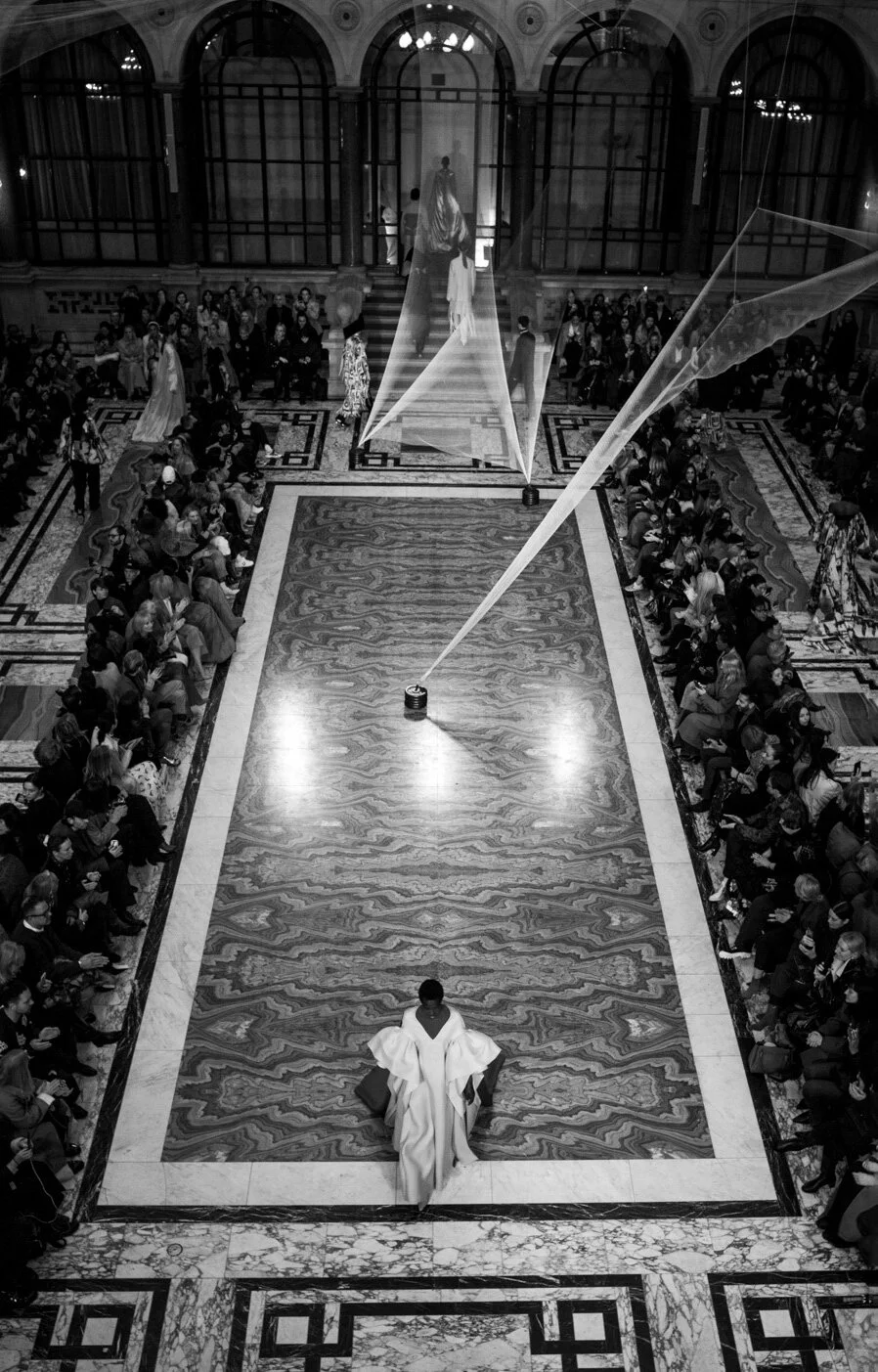
Event production companies are the driving force behind successful events, handling everything from creative concepts to technical execution. Whether it’s a fashion show, corporate conference, concert, or private event, these companies ensure that every detail comes together seamlessly to create a memorable experience. Unlike basic event planners, production companies focus heavily on the technical side—lighting, sound, staging, and visuals—while also shaping the overall atmosphere and storytelling of the event.
An event production company essentially transforms an idea into reality. Clients may come with a vision, but it is the production team that designs how that vision will look, feel, and function in a real environment. This involves careful planning, coordination, and the use of specialised equipment and skilled professionals. Their role begins long before the event and continues until everything is successfully completed and dismantled.
The services offered by event production companies are wide-ranging and tailored to each project. They often include concept development, where the theme and visual direction are created, followed by stage and set design to build the physical environment. Lighting and sound are then carefully planned to ensure the right mood and clarity, while audio-visual elements such as screens and projections enhance the overall experience. Logistics and on-site management are also key parts of their work, ensuring everything runs according to schedule.
These companies work across a variety of events. In the fashion industry, they produce runway shows and brand launches that rely on precision and visual impact. In the corporate world, they manage conferences and product launches where professionalism and branding are essential. They are also heavily involved in live entertainment, including concerts and festivals, where large-scale production and audience engagement are critical. Private events, such as luxury parties and weddings, also benefit from their expertise in creating unique and personalised experiences.
Several key elements define successful event production. Lighting plays a major role in setting the mood and highlighting important moments, while sound ensures that music, speeches, and performances are clear and impactful. Visual elements such as LED screens and projections add depth and engagement, and staging provides the structure that supports the entire event. Timing and coordination tie everything together, ensuring that each part of the event flows smoothly.
The importance of event production companies cannot be overstated. Without their expertise, events can quickly become disorganised or fail to deliver the intended impact. They bring professionalism, creativity, and technical knowledge, ensuring that every element works together perfectly. This allows clients to focus on their goals while the production team handles the complexities behind the scenes.
Technology has significantly transformed event production in recent years. Modern companies now use advanced tools such as LED walls, live streaming, and interactive digital experiences to engage audiences in new ways. Hybrid events, which combine in-person and virtual elements, have also become more common, allowing events to reach a global audience.
Choosing the right event production company is essential for achieving the best results. Experience, a strong portfolio, creative vision, and reliable communication are all important factors to consider. A good company will not only understand your ideas but will also enhance them with professional insight and innovation.
Event production companies are also skilled problem-solvers. They handle challenges such as tight deadlines, technical issues, and last-minute changes with efficiency and confidence. Their ability to adapt ensures that events continue to run smoothly, even under pressure.
Looking ahead, the future of event production is focused on innovation and sustainability. More companies are adopting eco-friendly practices, reducing waste, and creating events that are both impactful and responsible. At the same time, technology will continue to play a bigger role, offering more immersive and personalised experiences.
In conclusion, event production companies are the backbone of any successful event. They combine creativity, organisation, and technical expertise to turn ideas into reality. From small gatherings to large-scale productions, their work ensures that every event is not just organised—but truly unforgettable.
Event Production Companies – Frequently Asked Questions (FAQs)
Event production companies play a crucial role in delivering successful, high-quality events. Whether you’re planning a fashion show, corporate event, or private celebration, it’s natural to have questions. Below is a comprehensive FAQ guide to help you understand how event production companies work and what to expect.
1. What is an event production company?
An event production company is a professional team that designs, manages, and executes events. They focus on both the creative and technical aspects, including staging, lighting, sound, visuals, and overall coordination. Their goal is to turn an idea into a fully realised experience.
2. How is an event production company different from an event planner?
While event planners focus on logistics such as venues, catering, and scheduling, production companies handle the technical and visual elements. They are responsible for how the event looks and feels, including stage design, lighting effects, and audio-visual setup. In many cases, both work together.
3. What types of events do production companies handle?
Event production companies work across a wide range of events, including fashion shows, corporate conferences, product launches, concerts, exhibitions, and private events like weddings or VIP parties. Their services can be adapted to suit both small and large-scale events.
4. When should I hire an event production company?
It’s best to hire a production company as early as possible in the planning process. Early involvement allows them to contribute to the creative concept and ensure that all technical requirements are considered from the start.
5. What services are typically included?
Most event production companies offer services such as concept development, stage and set design, lighting and sound setup, audio-visual production, logistics coordination, and on-site management. Some also provide additional services like content creation and live streaming.
6. How much does event production cost?
Costs vary depending on the size, complexity, and type of event. Smaller events may require a modest budget, while large-scale productions with advanced technology and custom designs can be significantly more expensive. It’s important to discuss your budget upfront to get an accurate estimate.
7. How long does it take to plan an event?
The timeline depends on the scale of the event. Small events may take a few weeks, while larger productions can require several months of planning. Complex events with custom staging and technical setups need more time to ensure everything runs smoothly.
8. Do event production companies provide equipment?
Yes, most production companies supply their own equipment or work with trusted suppliers. This includes lighting systems, sound equipment, staging, LED screens, and other technical tools required for the event.
9. Can they handle last-minute changes?
Experienced production companies are skilled at managing unexpected changes. Whether it’s a schedule adjustment or a technical issue, they have the expertise to adapt quickly and keep the event running without disruption.
10. What should I look for when choosing a company?
When selecting an event production company, consider their experience, portfolio, creativity, and communication skills. It’s also important to check reviews or past client feedback to ensure reliability and professionalism.
11. Do they manage everything on the event day?
Yes, event production companies typically oversee the entire event on-site. They coordinate all technical elements, manage timing, and ensure everything runs according to plan, allowing you to focus on your guests.
12. What role does technology play in event production?
Technology is a major part of modern event production. Companies use tools like LED screens, live streaming, projection mapping, and interactive features to enhance audience engagement and create immersive experiences.
13. Are event production companies suitable for small events?
Absolutely. Production companies can scale their services to suit events of all sizes. Even smaller events benefit from professional lighting, sound, and coordination.
14. How do production companies ensure quality?
Quality is maintained through careful planning, experienced teams, and high-quality equipment. Rehearsals and technical checks are often carried out before the event to ensure everything works perfectly.
15. What happens after the event?
After the event, the production team handles dismantling equipment and clearing the venue. Some companies also provide post-event support, such as reports, recordings, or feedback analysis.
Final Thoughts
Event production companies are essential for creating seamless, engaging, and professional events. By understanding how they work and what they offer, you can make better decisions and ensure your event is a success from start to finish.
About The Author

Leave a Reply